Introduction
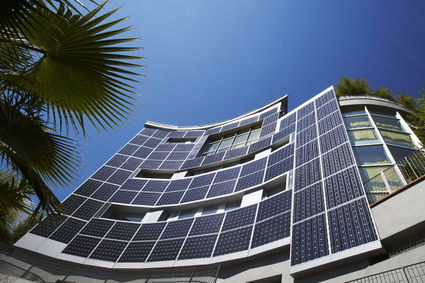
Building-Integrated Photovoltaics (BIPV) represents a transformative approach to sustainable architecture, seamlessly blending solar energy generation with building design. Unlike traditional solar panels mounted on rooftops, BIPV systems are incorporated into the building envelope—roofs, facades, windows, or other structural elements—serving dual purposes as both construction materials and power generators. As global demand for renewable energy and net-zero energy buildings (NZEBs) intensifies, BIPV is emerging as a cornerstone technology for decarbonizing the built environment. In 2025, advancements in photovoltaic materials, cost reductions, and supportive policies are driving BIPV’s adoption worldwide. This article provides a detailed, accurate, and trustworthy exploration of BIPV’s recent developments, applications, challenges, and future potential, drawing on authoritative sources such as the U.S. Department of Energy, Natural Resources Canada, ScienceDirect, and industry leaders like Onyx Solar, alongside posts on X reflecting current sentiment (www.energy.gov, 2024; natural-resources.canada.ca, 2025; www.sciencedirect.com, 2024; onyxsolar.com, 2024; sunspeker, 2025).
1. Background and Evolution of BIPV 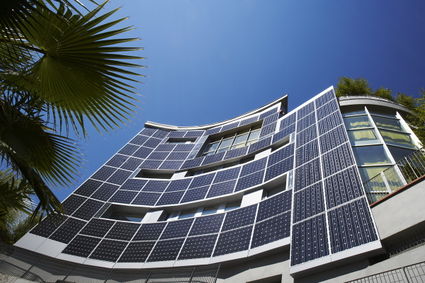
1.1 What is BIPV?
BIPV refers to photovoltaic systems integrated into a building’s structure, replacing conventional materials like roofing tiles, facade cladding, or glazing while generating electricity. Unlike Building-Applied Photovoltaics (BAPV), which are retrofitted onto existing structures, BIPV is designed as an integral part of the building from the outset, enhancing aesthetics, functionality, and energy efficiency (www.wbdg.org, 2024). BIPV systems contribute to energy generation, thermal insulation, daylighting, and structural integrity, aligning with the global push for NZEBs and sustainable urban development (build-up.ec.europa.eu, 2024).
1.2 Historical Context
BIPV emerged in the early 1990s as photovoltaic technology matured and architects sought to integrate renewable energy into building designs (www.solarchoice.net.au, 2011). Early systems faced challenges, including high costs, low efficiency, and limited aesthetic options, leading to slow adoption (en.wikipedia.org, 2007). A 2011 report by the U.S. National Renewable Energy Laboratory (NREL) highlighted significant technical and economic barriers, noting that BIPV’s installed cost was not yet competitive with traditional PV panels (en.wikipedia.org, 2007). However, by the 2010s, advancements in thin-film technologies, crystalline silicon, and manufacturing processes, coupled with supportive policies in Europe and Asia, spurred BIPV’s growth. Today, BIPV is a key component of the European Union’s 2020 and 2030 renewable energy targets, with projections estimating a global market size exceeding $32 billion in 2025 (sunspeker, 2025).
1.3 Importance in 2025
Buildings account for approximately 40% of global energy consumption and one-third of greenhouse gas emissions (www.sciencedirect.com, 2024). With urbanization accelerating and climate policies tightening, BIPV offers a solution to reduce reliance on fossil fuels, lower energy costs, and enhance building sustainability. Its ability to generate on-site electricity without requiring additional land makes it particularly valuable in dense urban environments (natural-resources.canada.ca, 2025). Recent posts on X underscore BIPV’s growing relevance, with users like @sunspeker highlighting its market expansion and @MASS_IPV emphasizing the need for digital tools to optimize BIPV integration (sunspeker, 2025; MASS_IPV, 2025).
2. BIPV Technologies and Recent Developments 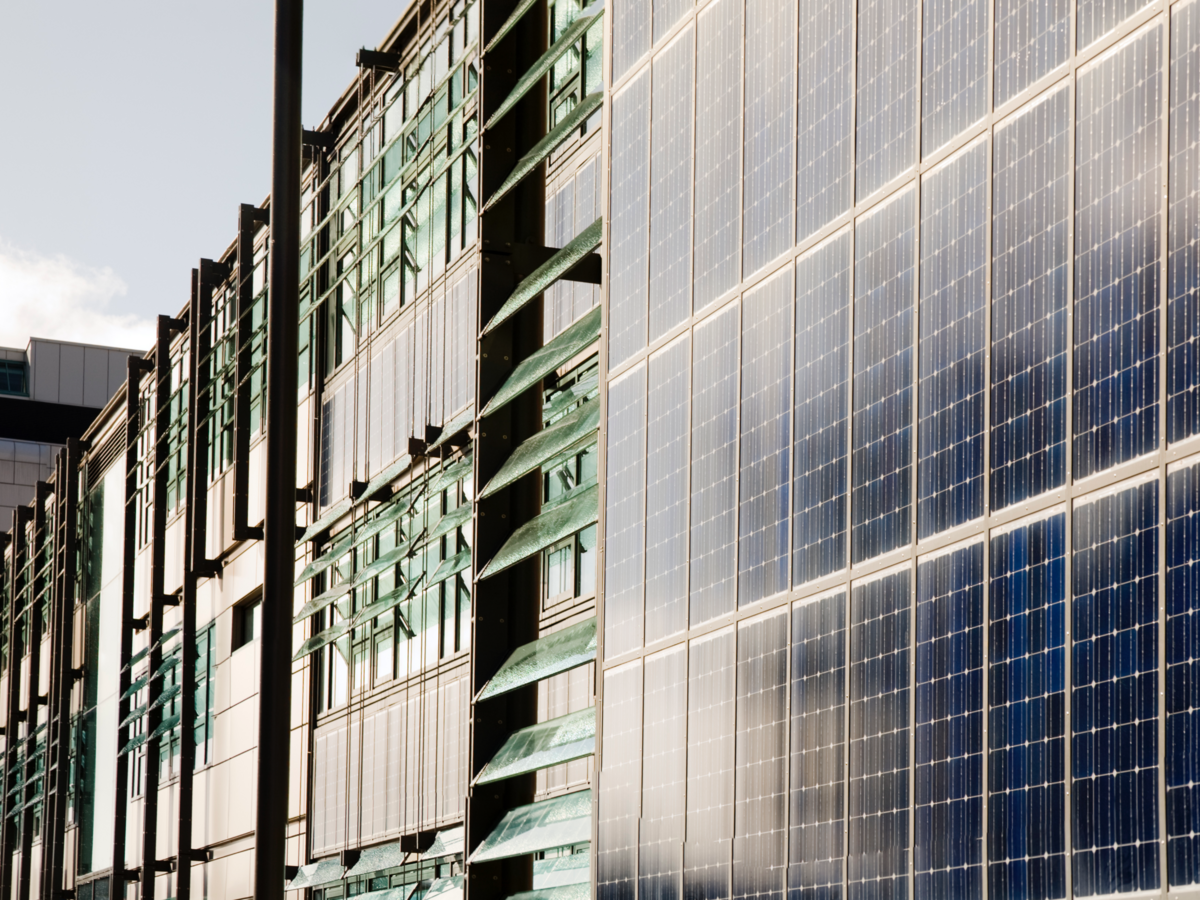
2.1 Core Photovoltaic Technologies
BIPV systems primarily use two types of photovoltaic technologies:
-
Crystalline Silicon (c-Si): Mono- or polycrystalline silicon cells deliver high efficiency (approximately 20 watts per square foot) and are widely used in BIPV roofing and facade modules. They are durable but less flexible, making them suitable for rigid applications (www.wbdg.org, 2024).
-
Thin-Film Technologies: These include amorphous silicon (a-Si), cadmium telluride (CdTe), and copper indium gallium selenide (CIGS). Thin-film cells are lightweight, flexible, and ideal for curved surfaces or semi-transparent applications like windows. However, they offer lower efficiency (about half that of c-Si) (www.wbdg.org, 2024). Recent advancements in CIGS have achieved cell efficiencies of 17%, enhancing their viability for BIPV (en.wikipedia.org, 2007).
2.2 Innovations in BIPV Materials
Recent developments have expanded BIPV’s functionality and aesthetic appeal:
-
Bifacial Solar Cells: These cells capture sunlight on both sides, increasing energy yield by up to 20% when used in facades or canopies. Research in 2024 highlights their potential for high-rise buildings (www.sciencedirect.com, 2024).
-
Semi-Transparent Photovoltaics: Advances in organic photovoltaics (OPVs) and perovskite solar cells have improved transparency and efficiency. For example, a 2017 MIT study achieved 61% visible light transmission with efficiencies of 2.8–4.1% using graphene electrodes, while perovskite cells reached 12.7% efficiency with 79% transmission at 800 nm (en.wikipedia.org, 2007). These are ideal for windows and skylights.
-
Colored and Textured Modules: Companies like Onyx Solar and Metsolar offer customizable PV glass with colored patterns or textures (e.g., terracotta for heritage buildings) that conceal solar cells while maintaining energy output. Kromatix™ and Solaxess technologies enhance aesthetic integration (metsolar.eu, 2017; onyxsolar.com, 2024).
-
Phase Change Materials (PCM): BIPV/T (Building-Integrated Photovoltaic/Thermal) systems with PCM improve efficiency by reducing panel temperatures. A 2024 study reported a 37.4% temperature reduction and 73% overall efficiency in BIPV/T-PCM systems (www.sciencedirect.com, 2024).
2.3 BIPV/T Systems
BIPV/T systems combine electricity and heat generation, using air or water as cooling fluids to enhance PV efficiency and provide thermal energy for heating or cooling. A 2024 review notes that BIPV/T with concentrators or PCM outperforms air- and water-cooled systems, offering up to 85.5% electrical conversion efficiency (www.sciencedirect.com, 2024). These systems are particularly suited for buildings with limited roof space or high thermal demands (www.sciencedirect.com, 2024).
2.4 Digital Design Tools
The integration of BIPV requires sophisticated design tools. Projects like MASS IPV are developing Building Information Modeling (BIM)-compatible platforms to streamline BIPV planning, reducing costs and improving efficiency (MASS_IPV, 2025). These tools enable architects to simulate energy performance, optimize module placement, and ensure compliance with building codes.
3. Applications of BIPV 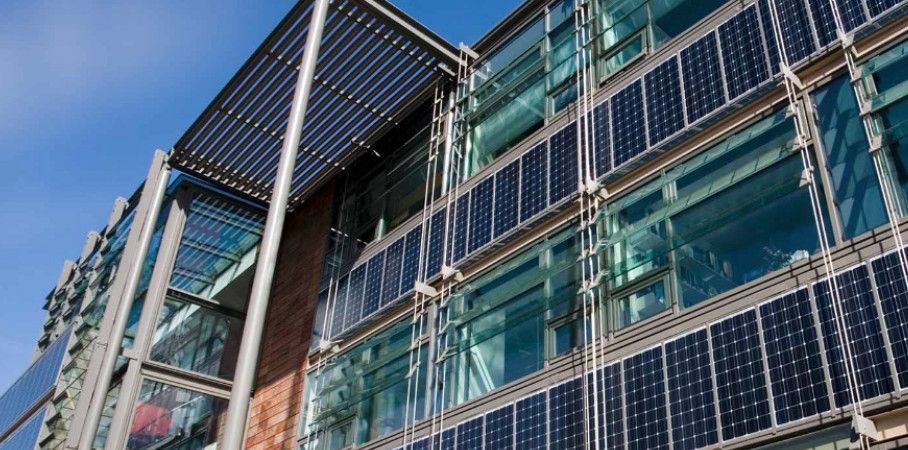
BIPV’s versatility allows integration into various building components, each with unique benefits and challenges.
3.1 Roofing
-
Solar Shingles and Tiles: These replace traditional roofing materials, blending seamlessly with architectural designs. Companies like SunStyle and Solarstone offer patented solar shingles with lower profiles than rack-mounted arrays, preserving aesthetics (www.sunstyle.com, 2022; solarstone.com, 2023). A Dutch company patented ceramic solar tiles in 2013, widely used in Europe (en.wikipedia.org, 2007).
-
Thin-Film Laminates: Flexible thin-film modules, often made with a-Si or CIGS, are adhered to roofing membranes using adhesives. They dominate the roofing BIPV market due to their efficiency and ease of installation (en.wikipedia.org, 2007).
-
Case Study: The “Guohe No.1” BIPV project by SPIC in China transformed a commercial building into a low-energy structure with solar roofing, demonstrating scalability (ChinaSPIC, 2022).
3.2 Facades
-
Ventilated Facades: PV modules integrated into facade cladding provide insulation, noise reduction, and energy generation. Onyx Solar’s photovoltaic glass facade at 262 Fifth Avenue, New York, generates clean energy while maintaining aesthetic appeal (onyxsolar.com, 2024).
-
Curtain Walls: Bifacial or semi-transparent PV modules are used in high-rise buildings to capture sunlight and reduce cooling loads. A 2024 study in China highlights their effectiveness in dense urban environments (The_InnovationJ, 2025).
-
Case Study: The EnergyMatching project’s Solar Window Block integrates PV modules, shading, and ventilation into prefabricated facade systems, maximizing indoor comfort (build-up.ec.europa.eu, 2024).
3.3 Windows and Skylights
-
Solar Glass: Semi-transparent PV glazing allows daylight while generating electricity. Onyx Solar’s crystalline silicon PV glass offers high power output and customizable transparency (onyxsolar.com, 2024).
-
Case Study: The 6th Avenue Photovoltaic Walkable Floor in New York uses Onyx Solar’s PV flooring, showcasing non-traditional applications (onyxsolar.com, 2024).
3.4 Shading Devices and External Elements
-
Awnings and Canopies: BIPV awnings provide shade and electricity, ideal for carports or terraces. Solarstone reports that BIPV canopies require only 3.5 worker-hours per kW to install (solarstone.com, 2023).
-
Balconies and Louvers: PV-integrated balustrades or shading devices enhance energy generation in multi-story buildings (2030palette.org, 2024).
3.5 Retrofit and Heritage Buildings
BIPV is increasingly used in renovations to modernize existing structures. Colored modules mimicking terracotta or slate are popular in heritage areas, as seen in Metsolar’s terracotta modules for old-town architecture (metsolar.eu, 2017). A 2023 study on a 1970s residential building showed BIPV retrofits achieving 122% energy efficiency gains and payback periods of 14–18 years (www.sciencedirect.com, 2023).
4. Benefits of BIPV 
-
Energy Generation: BIPV reduces reliance on grid power, lowering electricity bills and carbon emissions (onyxsolar.com, 2024).
-
Aesthetic Integration: Customizable designs enhance architectural appeal, addressing concerns about traditional PV’s visual impact (metsolar.eu, 2017).
-
Space Efficiency: BIPV eliminates the need for additional land, making it ideal for urban settings (natural-resources.canada.ca, 2025).
-
Cost Savings: By replacing conventional materials, BIPV offsets construction costs. Onyx Solar reports payback periods of 4 years and ROIs up to 20% (onyxsolar.com, 2024).
-
Sustainability: BIPV supports NZEB goals and reduces urban heat island effects through shading and insulation (www.sciencedirect.com, 2024).
-
Increased Property Value: Sustainable features like BIPV enhance marketability and property value (onyxsolar.com, 2024).
5. Challenges and Barriers 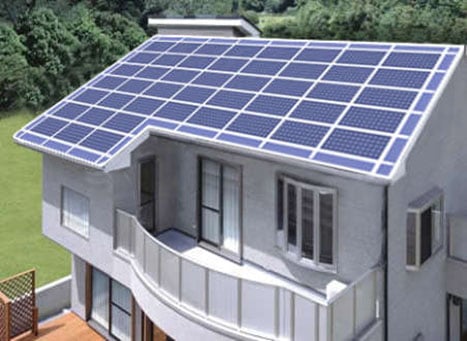
Despite its potential, BIPV faces several challenges:
-
High Upfront Costs: BIPV systems are more expensive than traditional PV due to custom manufacturing and complex installation. A 2022 DOE RFI noted cost as a significant barrier (www.energy.gov, 2022).
-
Lower Efficiency: BIPV cells, especially thin-film and semi-transparent modules, have lower efficiencies (2.8–17%) compared to traditional PV (20–25%) (en.wikipedia.org, 2007; www.energysage.com, 2023).
-
Integration Complexity: BIPV requires coordination among architects, engineers, and manufacturers, increasing design and construction costs (www.wbdg.org, 2024).
-
Limited Awareness: Lack of knowledge among developers and architects hinders adoption, particularly in developing nations (www.sciencedirect.com, 2024).
-
Regulatory Hurdles: BIPV must comply with both building and PV standards, complicating permitting and certification (en.wikipedia.org, 2007).
-
Market Maturity: While roofing BIPV is established, facade and window applications are less developed, requiring further innovation (www.energy.gov, 2024).
6. Policy and Market Support
6.1 Global Incentives
Governments worldwide offer incentives to promote BIPV:
-
Europe: The EU’s Renewable Energy Directive targets 20% renewable energy by 2020, with BIPV playing a key role. France offered an additional €0.25/kWh for BIPV until 2006 (en.wikipedia.org, 2007).
-
China: The Golden Sun Demonstration Project (2009) provided subsidies covering 50% of BIPV project costs and 70% for off-grid systems (en.wikipedia.org, 2007).
-
United States: The DOE’s Dual-use Photovoltaics Incubator (2023) funds BIPV innovation, while tax credits and net metering enhance economic viability (www.energy.gov, 2024).
-
Canada: Natural Resources Canada estimates a 71.34 TWh potential for BIPV in residential and commercial buildings (natural-resources.canada.ca, 2025).
6.2 Market Trends
The BIPV market is growing rapidly, driven by cost reductions and technological advancements. A 2025 post on X estimates a global market value of over $32 billion, with Europe and Asia leading adoption (sunspeker, 2025). Projects like BIPVBOOST and ADVANCED BIPV aim to lower costs and improve competitiveness (build-up.ec.europa.eu, 2024). In Canada, over 50 commercial BIPV projects have been completed, signaling market maturity (natural-resources.canada.ca, 2025).
7. Case Studies
-
262 Fifth Avenue, New York: Onyx Solar’s PV glass facade generates clean energy while enhancing the building’s modern aesthetic (onyxsolar.com, 2024).
-
South Tyrol, Italy: A study of 16 BIPV projects showed high replication potential across Europe, with applications in residential, commercial, and agricultural buildings (build-up.ec.europa.eu, 2024).
-
Trentino Alto Adige, Italy: BIPV installations in office and community buildings demonstrated cost-effectiveness and aesthetic integration (build-up.ec.europa.eu, 2024).
-
Karanganyar, Indonesia: The Jateng Solar Farm’s BIPV facade illustrates BIPV’s adaptability to tropical climates (jatengprov.go.id, 2025).
8. Future Prospects
8.1 Technological Advancements
-
Perovskite and Quantum Dot Cells: These next-generation PV technologies promise efficiencies exceeding 25% and greater flexibility for BIPV applications (en.wikipedia.org, 2007).
-
Smart BIPV Systems: Integration with energy storage and IoT-enabled controls will optimize energy management, as explored in the EnergyMatching project (build-up.ec.europa.eu, 2024).
-
3D Printing: Custom BIPV modules produced via 3D printing could reduce costs and enable complex designs (www.sciencedirect.com, 2024).
8.2 Market Expansion
The BIPV market is projected to grow at a CAGR of 20% through 2030, driven by urbanization, climate policies, and declining costs (sunspeker, 2025). Emerging markets in Asia, Africa, and Latin America offer significant opportunities as awareness and infrastructure improve (www.sciencedirect.com, 2024).
8.3 Policy Recommendations
-
Enhanced Subsidies: Governments should offer targeted incentives for BIPV to offset upfront costs (www.energy.gov, 2022).
-
Standardization: Streamlined building and PV standards would simplify certification and reduce costs (www.wbdg.org, 2024).
-
Education and Training: Programs like the DOE’s collaboration with NREL and the Architectural Solar Association aim to increase awareness among architects and developers (www.energy.gov, 2024).
9. Conclusion
Building-Integrated Photovoltaics (BIPV) is revolutionizing sustainable architecture by merging renewable energy generation with building design. Innovations in bifacial cells, semi-transparent PV, and BIPV/T systems, coupled with digital design tools, are expanding its applications across roofs, facades, windows, and shading devices. While challenges like high costs and integration complexity persist, supportive policies, cost reductions, and growing market acceptance are driving BIPV’s adoption. As evidenced by projects like Onyx Solar’s New York installations and Europe’s EnergyMatching initiative, BIPV is poised to play a pivotal role in achieving NZEB goals and decarbonizing the built environment. With continued innovation and policy support, BIPV will shape the future of urban infrastructure, as aptly stated by Onyx Solar: “Photovoltaic glass transforms buildings into active energy generators, advancing sustainability without sacrificing aesthetics” (onyxsolar.com, 2024).
References
-
U.S. Department of Energy. (2024). Expanding Solar Energy Opportunities: From Rooftops to Building Integration. https://www.energy.gov
-
Natural Resources Canada. (2025). Building-Integrated Photovoltaics. https://natural-resources.canada.ca
-
ScienceDirect. (2024). An Overview on Building-Integrated Photovoltaics: Technological Solutions, Modeling, and Control. https://www.sciencedirect.com